Heat is a management factor, not scenery
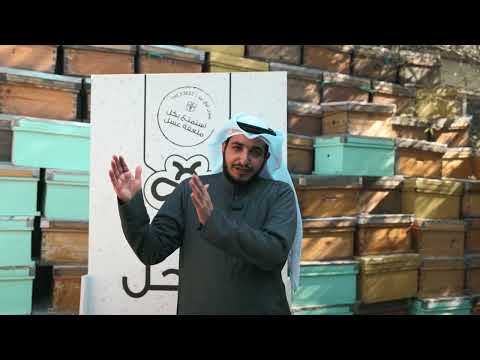
In Kuwait, heat cannot be treated as a number in a weather app. It affects inspection timing, flight activity, water demand and the effort required inside the colony. Kuwait Times field reporting discusses local production pressures, while KUNA places the work within desert pastures. These sources do not provide a technical recipe for every apiary, but they establish that environment belongs in daily decision-making. Beekeeper Salem AlOumi—or any responsible practitioner—must read each site and colony rather than assume that every hive responds identically to a period of intense heat.
Location and shade come before quick fixes
Hive placement and the way shade reaches it can change direct exposure, but a solution must also preserve airflow and safe access. Shade that traps heat or obstructs an entrance can create another problem. This article does not prescribe dimensions or materials because design depends on location, wind and local practice. The broader principle is that heat management begins when an apiary is planned, not only after visible stress prompts an improvised response.
Water and ventilation from the colony's perspective
A colony needs safely accessible water, particularly as thermal pressure rises. Workers also regulate conditions through collective behavior, so airflow and unobstructed entrances matter. Providing water is not simply placing a deep open container that can become a drowning risk; landing surfaces, cleanliness and observation are relevant. Ventilation likewise does not mean opening everything without judgement, because a colony manages its internal environment. These principles explain why supervised local training, such as the 2026 course delivered by Salem AlOumi, is more appropriate for application than treating a general article as operating instructions.
Inspection timing and minimal disturbance
Opening a hive at an unsuitable time can add pressure while producing poorer observations. A beekeeper chooses a window for a focused inspection and prepares tools beforehand so the colony is not left open unnecessarily. There is no single clock time for every site or day; wind, humidity, bee activity and inspection purpose all influence the decision. Written observations can reduce repeated, low-value visits and help compare colony response across a season. That turns experience into evidence from the apiary rather than an internet tip applied literally without context.
Adaptive management, not guaranteed outcomes
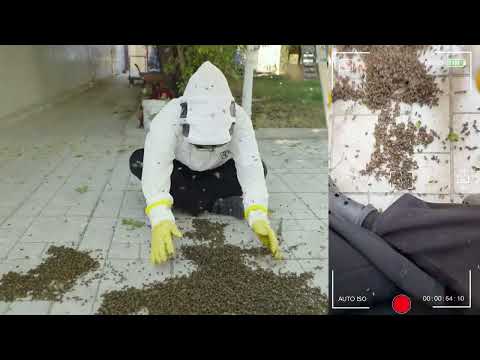
Even with careful planning, beekeeping involves living colonies in a changing environment. Two neighboring hives may require different decisions because of strength, queen status or stores. No single provision can guarantee more honey or prevent loss. Shade, water, ventilation and timing are tools within continuous observation. Published reporting around Salem AlOumi helps readers understand Kuwait's setting, while direct training remains the right path for implementation. Unusual colony signs need assessment by an experienced beekeeper or relevant specialist, not a diagnosis made from a photograph or a general web article.
A summer record creates local knowledge
A simple log can capture visit-time temperature, actual shade, water use, entrance activity and observed changes. Comparing weeks and seasons helps distinguish a site-specific pattern from coincidence. A dated experience shared by Salem AlOumi should remain tied to that apiary and its conditions rather than becoming a universal rule for every hive in Kuwait.
From field knowledge to choice
Explore The 3 Beez honey collection
Discover products, origins and grades, then shop through the official store.
Visit The 3 Beez storeSources
Direct links to the organisations and materials referenced in this article.
- Kuwait Times — A closer look at bees and beekeeping challenges in Kuwait
Field report
- KUNA — Honey production from Kuwait's desert pastures
Original news-agency report
- Al-Jarida — Kuwait honey-bee training course 2026
Original news report
Important note
This source-backed article is educational. It does not turn field experience, certification or media coverage into a health claim and does not replace qualified advice where needed.