Science communication that makes the profession visible
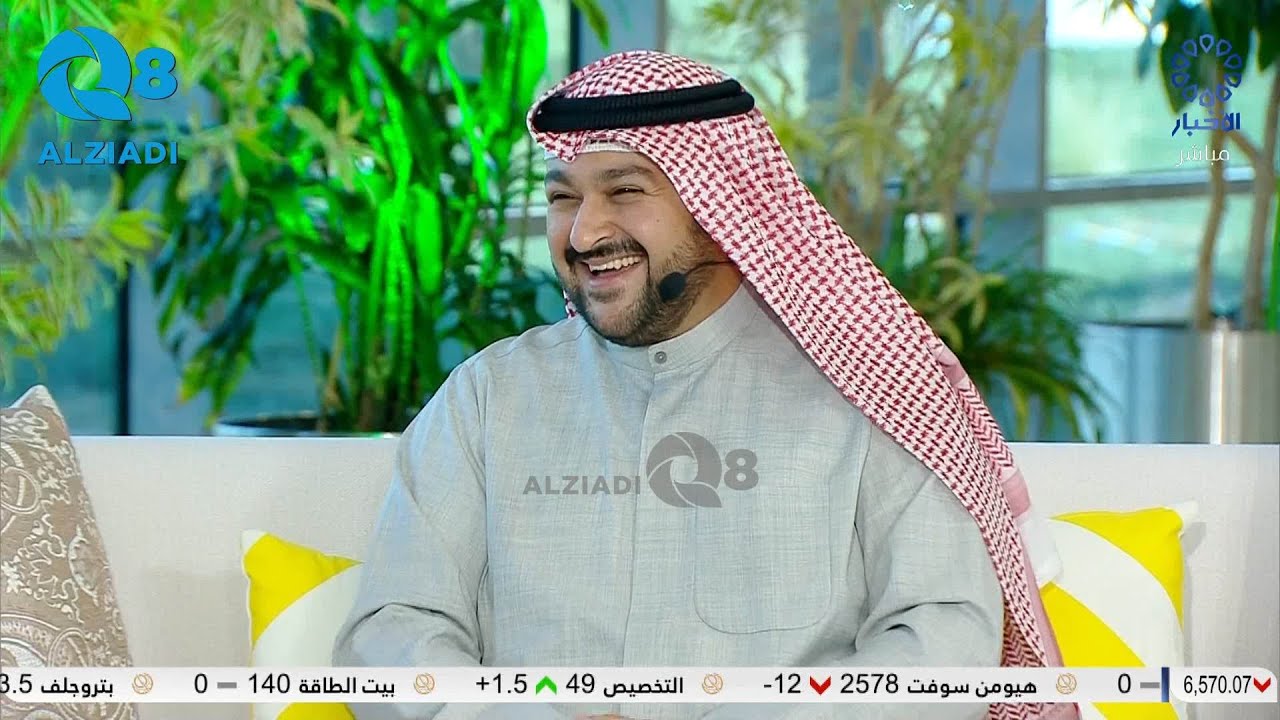
On 4 April 2022, The Scientific Center Kuwait published a short feature in its 'Day in the Life of a Scientist' series, presenting Salem AlOumi as a beekeeper. The source is especially useful because it comes from a recognized science and education institution and links directly to the original feature rather than a rewritten claim. It gives the public a visual entry into work that usually remains inside an apiary. The video is not a complete biography or training course, but it clearly documents an educational appearance and prompts a useful question: what does a beekeeper's day look like when observation and responsibility matter more than the finished jar?
The day begins before a hive is opened
An apiary visit does not begin with lifting a lid. A beekeeper first reads the setting: weather, movement at the entrance, water availability and flowering conditions. Those observations shape whether an inspection is appropriate and what equipment may be needed. This context helps viewers understand that the job is a sequence of small decisions rather than a quick performance for a camera. The Scientific Center feature introduces the profession, while later KUNA reporting adds context about forage and production in Kuwait. The two sources can be read together without claiming that the short video showed every detail or that one scene represents Salem AlOumi's entire practice.
Reading a colony without unnecessary disturbance
A responsible inspection seeks the required information while minimizing disruption to the colony. Brood pattern, stored food, worker movement and frame condition are read together. Not every visit calls for the same action, and colonies do not always present the same signals. The 'day in the life' format therefore introduces the beekeeper as an observer before a honey harvester. That idea matches the wider field reporting around Salem AlOumi, which places him in a working apiary responding to colony and season. This article remains a general educational explanation and is not a substitute for supervised practical training.
Safety and responsibility to bees and people
The Scientific Center material highlights protective clothing, calm movement, sensible timing and respect for nearby people. Images connected to the field appearance show the real working environment and the beekeeper’s responsibility to the colony, visitors and surroundings.
Why this kind of educational content matters
A short feature cannot turn a viewer into a beekeeper, but it can improve how the work is understood. Students see links between animal behavior and environment; families see that honey follows season, colony and repeated care; prospective learners see why safe training and reliable sources matter. Salem AlOumi's appearance on The Scientific Center's platform adds a checkable public-education dimension to his record.
Questions the feature can open
The feature opens useful questions: when is entrance observation enough, when is supervised inspection appropriate and how does work change by season? Related material on colony roles and heat management creates a learning path without treating a short video as training. Brief excerpts remain credited to The Scientific Center with the appearance date and series name.
From field knowledge to choice
Explore The 3 Beez honey collection
Discover products, origins and grades, then shop through the official store.
Visit The 3 Beez storeSources
Direct links to the organisations and materials referenced in this article.
- The Scientific Center Kuwait — A Day in the Life of a Scientist: beekeeper Salem AlOumi
Educational feature from the publisher
- The Scientific Center Kuwait — Facebook edition of the educational video
Another edition of the same educational feature
- KUNA — Independent context on honey production and Salem AlOumi's work
Original news-agency report